
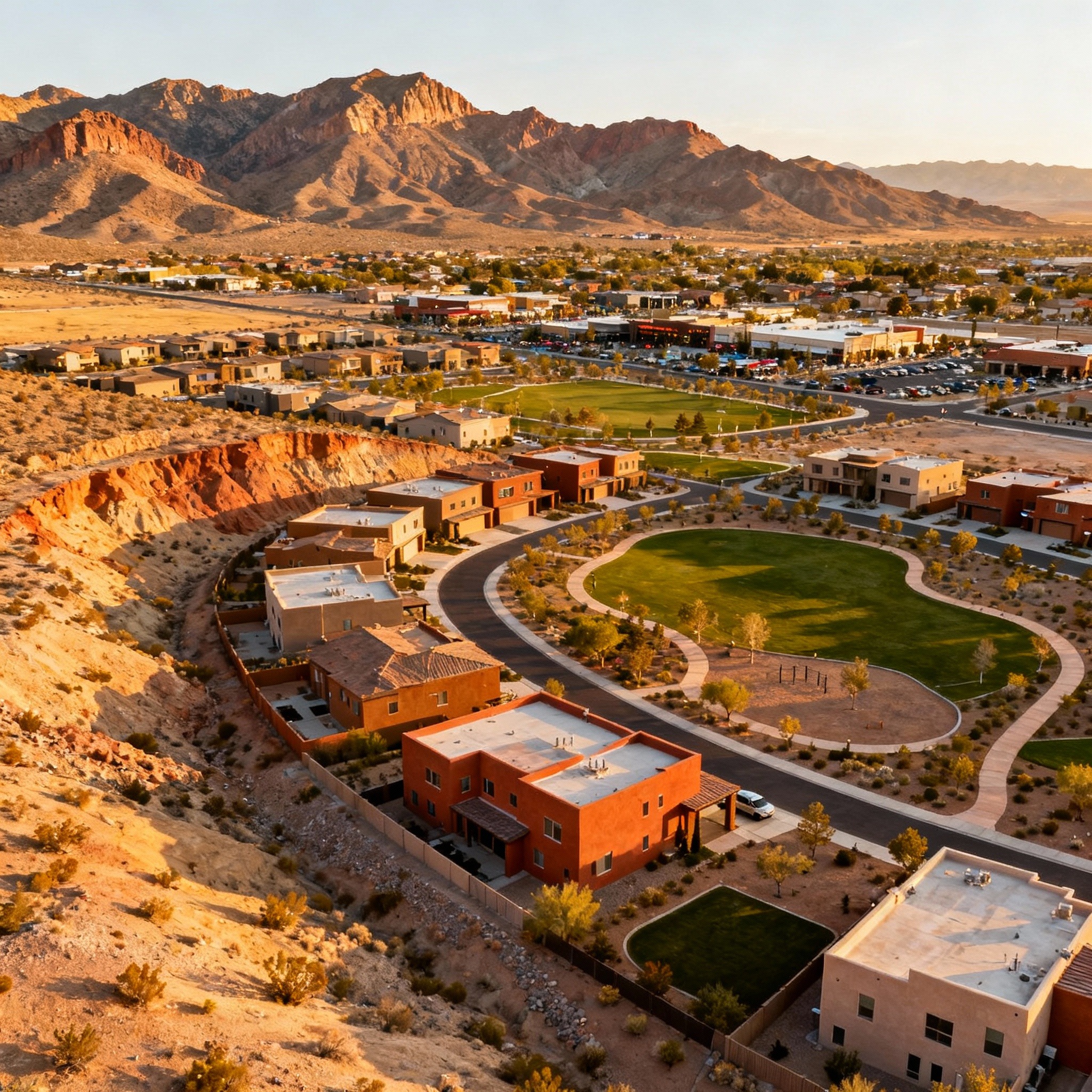
Enterprise NV functions as a significant secondary market in the greater Las Vegas trade show ecosystem. Companies based in this area benefit from the broad service footprint that connects satellite towns to the primary convention corridor and the Strip. Strategic planning ensures that display rentals support effective participation across the full range of available venues and events.
As an authoritative resource for coordination, the focus remains on helping exhibitors navigate the complexities of selecting, timing, and integrating display solutions that meet the standards set by Las Vegas's world-renowned conventions. This approach prioritizes informed decision-making without assumptions about physical operations in any specific district.
The interconnected nature of locations including Paradise NV, Spring Valley NV, Summerlin NV, and others allows for flexible strategies that can adapt to various event scales and types hosted throughout the region.
Execution priorities
- Integration with the Las Vegas convention corridor
- Alignment to major venue specifications and schedules
- Adaptability across different district demands
- Strategic timing for rental coordination
- Connectivity to supporting areas like Henderson and Summerlin
- Emphasis on scalable display solutions
- Focus on measurable outcomes for exhibitors
The Strategic Value of Enterprise in the Las Vegas Landscape
Within the expansive Las Vegas market, Enterprise NV plays a distinctive role as part of the network of locations that extend the reach of convention activities beyond the central districts. This secondary market status enables businesses to engage with the robust calendar of events while operating from areas that offer their own unique characteristics. Planning resources help translate this positioning into practical display rental decisions that enhance competitiveness at trade shows. The wide service-area footprint designed around the Strip, convention corridor, Henderson, Summerlin, and adjacent satellite towns creates opportunities for exhibitors who approach the market with a coordinated perspective that accounts for these relationships.
The rationale for such broad coverage stems from the concentration of major conventions and the need to accommodate participants from various parts of the valley. Enterprise contributes to this by providing an additional base for exhibitors who can coordinate their activities with the primary hubs. This setup encourages thorough preparation, including the evaluation of how display choices will perform in venues ranging from massive expo halls to more focused conference centers. Nuances in district-level participation become apparent when mapping out multi-event campaigns that span the recommended locations.
By concentrating on coordination rather than execution specifics, the planning process remains focused on what matters most: creating exhibits that capture attention, facilitate meaningful interactions, and support overall marketing objectives in one of the world's leading convention destinations. This method respects the secondary priority designation of Enterprise while leveraging its place in the larger ecosystem of Las Vegas trade show activity.
Key Venues Influencing Trade Show Planning from Enterprise NV
The demand for trade show displays in areas like Enterprise is heavily influenced by the array of prominent venues that define the Las Vegas meetings and conventions industry. The Las Vegas Convention Center serves as a cornerstone with its expansive capabilities for hosting large-scale events that attract international audiences. Similarly, the Venetian Expo provides sophisticated spaces that require displays capable of matching high production values and accommodating diverse attendee flows.
Other important facilities include the Mandalay Bay Convention Center Resort and Casino, which integrates resort amenities with extensive exhibition space, and Caesars Forum Conference Center, known for its advanced technological infrastructure suitable for forward-thinking presentations. Additional options such as Fontainebleau Las Vegas, Westgate Las Vegas Resort & Casino, and Virgin Hotels Las Vegas offer varied environments that cater to different segments of the market. These venues drive the need for precise planning that accounts for the full spectrum of event types found across the region.
Resort-based venues like Alexis Park All Suite Resort, Green Valley Ranch Resort & Spa, and Hilton Lake Las Vegas Resort & Spa round out the selection, often hosting specialized or mid-sized events that complement the larger conventions. When planning from Enterprise, understanding the specific attributes and typical event profiles of these venues informs the rental selection process to ensure optimal fit and impact. Coordination that references these established venues helps align display strategies with proven market drivers.
Coordinating with the schedules and requirements of these venues allows for more precise preparation, helping exhibitors from secondary markets like Enterprise to compete effectively alongside those based in primary districts. The collective impact of these facilities reinforces the value of treating the entire Las Vegas area as a unified yet differentiated opportunity space.
- Las Vegas Convention Center as primary large-scale hub
- The Venetian Expo for modern high-attendance events
- Mandalay Bay Convention Center for integrated resort experiences
- Caesars Forum Conference Center for technology-forward conferences
- Fontainebleau Las Vegas for contemporary convention capabilities
- Westgate Las Vegas Resort & Casino for established event hosting
- Virgin Hotels Las Vegas alongside resort properties like Green Valley Ranch and Hilton Lake Las Vegas
District-Level Differentiation and Planning Nuances
Each location within the Las Vegas area presents subtle differences that can affect trade show planning and display coordination. Enterprise NV, listed among secondary priority targets, shares synergies with nearby districts such as Paradise NV, Winchester NV, Spring Valley NV, and Summerlin NV. These relationships support a service-area approach that encompasses the Las Vegas Strip, Convention Center District, and further extensions into Henderson and Summerlin South.
The convention corridor and Strip areas often serve as focal points, but satellite locations contribute by offering alternative bases that can reduce certain pressures associated with central venues. Planning therefore involves considering how to differentiate your approach based on the district from which you operate, ensuring that rental displays are configured to address the specific audience and environmental factors encountered at each event. Operational details gain importance when mapping connectivity between these zones.
Nuance emerges through recognition of how Enterprise fits into the broader list of recommended locations that include Downtown Las Vegas, the Arts District, and specialized zones like the Summerlin Meeting District or Strip South. This differentiation supports more effective resource allocation and helps avoid one-size-fits-all strategies. The secondary status of Enterprise encourages planners to emphasize strategic integration rather than isolated participation.
By examining these district-level elements, exhibitors gain insights into how to allocate resources more effectively across the service area that includes both core and peripheral zones. Such attention to differentiation strengthens overall coordination efforts in a market known for its scale and diversity.
- Paradise NV and Winchester NV as immediate neighboring districts
- Spring Valley NV for complementary market positioning
- Summerlin NV and Summerlin South NV for western corridor access
- Henderson NV as part of the extended service footprint
- Las Vegas Strip and Convention Center District as primary anchors
- Downtown Las Vegas NV and Arts District for specialized events
- Southwest Las Vegas and West of Strip zones for additional reach
Developing a Coordinated Approach to Display Selection
Successful trade show participation from Enterprise depends on a coordinated approach to choosing rental displays that align with both the company's objectives and the expectations of Las Vegas events. This involves assessing the scale of upcoming conventions, the target demographic, and the technical requirements likely to be encountered at various venues. Authoritative planning stresses the value of early engagement with these factors to secure appropriate solutions that perform across multiple district contexts.
The variety of events supported by the listed venues means that flexibility is key. A display approach that works well in the expansive setting of the Las Vegas Convention Center may need adjustments for the more intimate atmosphere of a resort like Green Valley Ranch or the specialized environment at Caesars Forum. Coordination resources provide frameworks for making these determinations systematically while maintaining focus on the secondary market dynamics of Enterprise.
Rather than focusing on any single market segment, the emphasis is on building a strategy that can scale across the recommended locations and adapt to changing demands. This method supports long-term success in the competitive Las Vegas environment by prioritizing planning elements that account for venue specificity and operational alignment. The process encourages detailed review of how displays integrate with broader event goals.
Attention to detail in the planning phase helps ensure that every element of the exhibit contributes to a cohesive brand experience regardless of the specific district or venue involved. Such coordination transforms potential complexities of operating from Enterprise into structured advantages within the overall Las Vegas convention landscape.
Timeline and Operational Planning for Enterprise Exhibitors
Effective timelines form the backbone of successful trade show coordination for those in Enterprise NV. Given the distance relationships within the broad Las Vegas service area, accounting for lead times in display rental arrangements becomes particularly important. Planning guides recommend establishing clear milestones that encompass concept development, approval processes, and integration with overall event strategies tied to major venues.
Operational considerations extend to understanding peak periods associated with major conventions at facilities like the Venetian Expo, Mandalay Bay Convention Center, and Fontainebleau Las Vegas and how they affect availability and scheduling across all districts. By working with these cycles, exhibitors can position themselves advantageously whether focusing on the Convention Center District or exploring opportunities in Summerlin or the Henderson Lake Las Vegas Corridor.
The goal is to create smooth experiences that allow the focus to remain on business outcomes rather than logistical challenges. This level of detail in advance planning distinguishes prepared participants in the Las Vegas market and supports the secondary priority positioning of Enterprise by emphasizing proactive coordination frameworks.
Through structured coordination that references the full list of recommended locations from North Las Vegas to Primm and Jean, businesses in secondary locations like Enterprise can achieve results comparable to those with more central positioning. The approach maintains strict adherence to planning principles without venturing into unverified operational claims.
- Establish early concept development tied to venue calendars
- Account for schedules at Las Vegas Convention Center and Venetian Expo
- Build in buffer periods for multi-district coordination
- Align with broader event calendars across Summerlin and Henderson
- Monitor updates from primary venues like Mandalay Bay and Caesars Forum
Expanding Opportunities Across Recommended Las Vegas Locations
The recommended locations for trade show activity in Las Vegas extend well beyond any single district, encompassing a rich mix of areas from the Las Vegas Strip to more outlying spots like Primm NV, Jean NV, and Boulder City NV. For Enterprise-based planners, this breadth opens up numerous avenues for participation and networking. Coordination involves identifying which events in which locations best align with specific business goals while maintaining a cohesive approach.
Whether considering the Summerlin Meeting District, Southwest Las Vegas, West of Strip Las Vegas, East of Strip Las Vegas, or the Henderson Lake Las Vegas Corridor, each area contributes distinct flavors to the overall convention experience. Planning resources help map these opportunities and determine how display rentals can be optimized to function effectively in multiple contexts if needed. The secondary status of Enterprise encourages viewing it as a launch point into this wider network.
This comprehensive view encourages exhibitors to think beyond individual events toward a sustained presence in the Las Vegas market. By understanding the connections between Enterprise and these various zones, including the Arts District and Centennial Hills, more sophisticated strategies emerge that leverage the full potential of the region. Venue specificity guides the adaptation of plans to match the character of each location.
The result is a more resilient approach to trade show engagement that can adapt to the evolving landscape of conventions and expositions in southern Nevada. Coordination that draws on the established venue list reinforces the value of this expanded perspective for participants based in Enterprise NV.
- Las Vegas Strip for high visibility events
- Convention Center District for industry trade shows
- Summerlin Meeting District for targeted professional gatherings
- Henderson Lake Las Vegas Corridor for resort conferences
- Arts District Las Vegas for creative and innovative exhibits
- Strip South, Central and North segments for varied positioning
- North Las Vegas, Sunrise Manor and Whitney for additional market coverage
Measuring Success and Refining Future Plans
Any well-coordinated trade show effort in Enterprise must include mechanisms for measuring success and using those insights to refine subsequent plans. Key performance indicators relevant to the Las Vegas market might include lead generation, brand recall, and engagement metrics tailored to the specific venues attended such as the Las Vegas Convention Center or Virgin Hotels Las Vegas. Planning as a resource involves providing frameworks for this evaluation process that respect district variations.
With the diversity of venues from the Venetian Expo to the Hilton Lake Las Vegas Resort & Spa, each experience offers unique data points that can inform display adjustments and overall strategy. This iterative approach helps businesses in secondary markets like Enterprise to continuously improve their presence in the competitive convention scene while building on the wide service-area foundation.
Long-term coordination also considers how participation in one district can support activities in others, creating a multiplier effect across the service area that includes all recommended locations from Summerlin West to Inspirada and Anthem. Such strategic thinking elevates the entire process beyond transactional considerations to a comprehensive planning partnership grounded in real market signals.
Ultimately, the objective remains delivering value through informed, detail-oriented guidance that respects the nuances of each location while capitalizing on the strengths of the collective Las Vegas convention industry. This closes the loop on effective coordination for Enterprise NV participants.
Frequently Asked Questions About Enterprise NV Trade Show Planning
Why is Enterprise NV important for Las Vegas trade show exhibitors?
Enterprise serves as a valuable secondary market within the wide Las Vegas service area designed around the Strip, convention corridor, Henderson, Summerlin, and adjacent satellite towns, allowing companies to access major conventions at venues like the Las Vegas Convention Center and Venetian Expo while operating from this district.
Which venues should Enterprise planners prioritize?
Key venues include the Las Vegas Convention Center, the Venetian Expo, Mandalay Bay Convention Center, Caesars Forum Conference Center, Fontainebleau Las Vegas, Westgate Las Vegas Resort & Casino, Virgin Hotels Las Vegas, Alexis Park All Suite Resort, Green Valley Ranch Resort & Spa, and Hilton Lake Las Vegas Resort & Spa.
How does planning differ for secondary locations like Enterprise?
Planning for Enterprise emphasizes coordination across the interconnected districts, focusing on timing, adaptability, venue specificity, and strategic alignment with the primary convention corridor, satellite areas like Summerlin and Henderson, and the full list of recommended locations.
What makes this an authoritative planning resource for Enterprise NV?
By relying exclusively on verified information from the Las Vegas market including listed venues and recommended locations, while avoiding any unapproved operational claims, the guidance maintains focus on strategic coordination and district-level differentiation for trade show success.
How are Enterprise and other listed locations connected?
Enterprise connects with recommended locations including Paradise NV, Winchester NV, Spring Valley NV, the Las Vegas Strip, Convention Center District Las Vegas, Summerlin NV, Summerlin South NV, Downtown Las Vegas, Arts District Las Vegas, and Henderson NV to create a comprehensive service footprint for convention planning.